

Greenmount West is a historic Baltimore neighborhood, formerly industrial and now a key part of the Station North Arts and Entertainment District. Originally developed in the 1880s following new bridge construction over Jones Falls, the area thrived as an industrial hub before experiencing decline in the 1960s, followed by a major artist-driven resurgence starting in the 2000s.


Key Historical Aspects of Greenmount West:
- 19th Century Development: Before 1880, the area was largely separated from downtown. The construction of bridges over Jones Falls at Calvert Street and Guilford Avenue opened the area, leading to the rapid construction of over 500 homes.
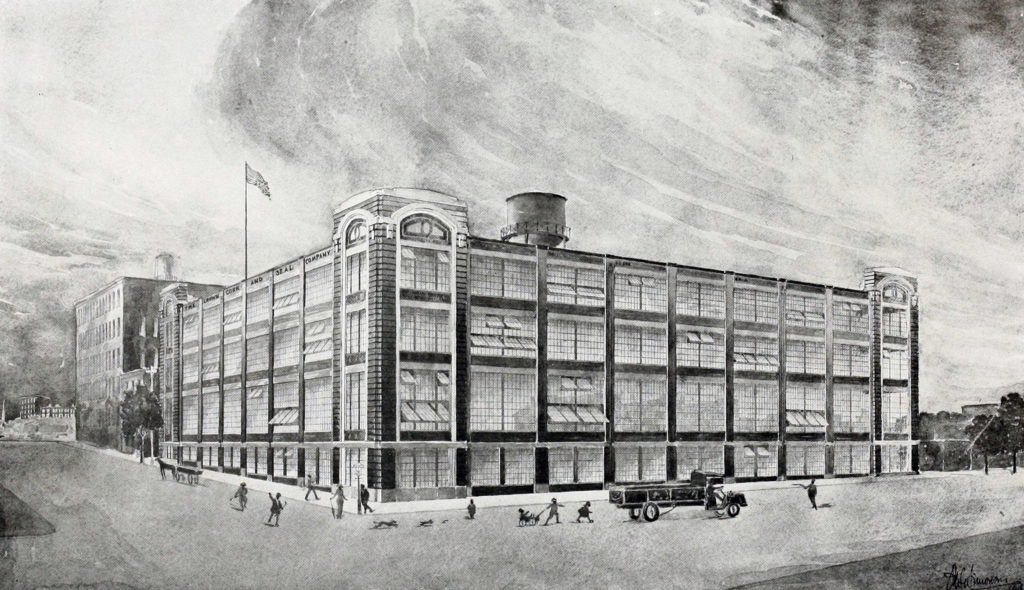
- Industrial Era: In the early 20th century, the neighborhood became a manufacturing center, hosting companies like the Crown Cork & Seal Company (later the Lebow Building).
- Decline and Transformation: Following the 1968 riots and postwar industrial shifts, the area suffered from disinvestment, population loss, and vacant buildings.
- Arts District Resurgence: The area began turning around in the late 1990s as artists began using vacant industrial buildings for studios and housing.
- Official Designation: In 2002, the neighborhood was designated as an Arts and Entertainment District, encouraging the conversion of warehouse buildings into residential and workspace.